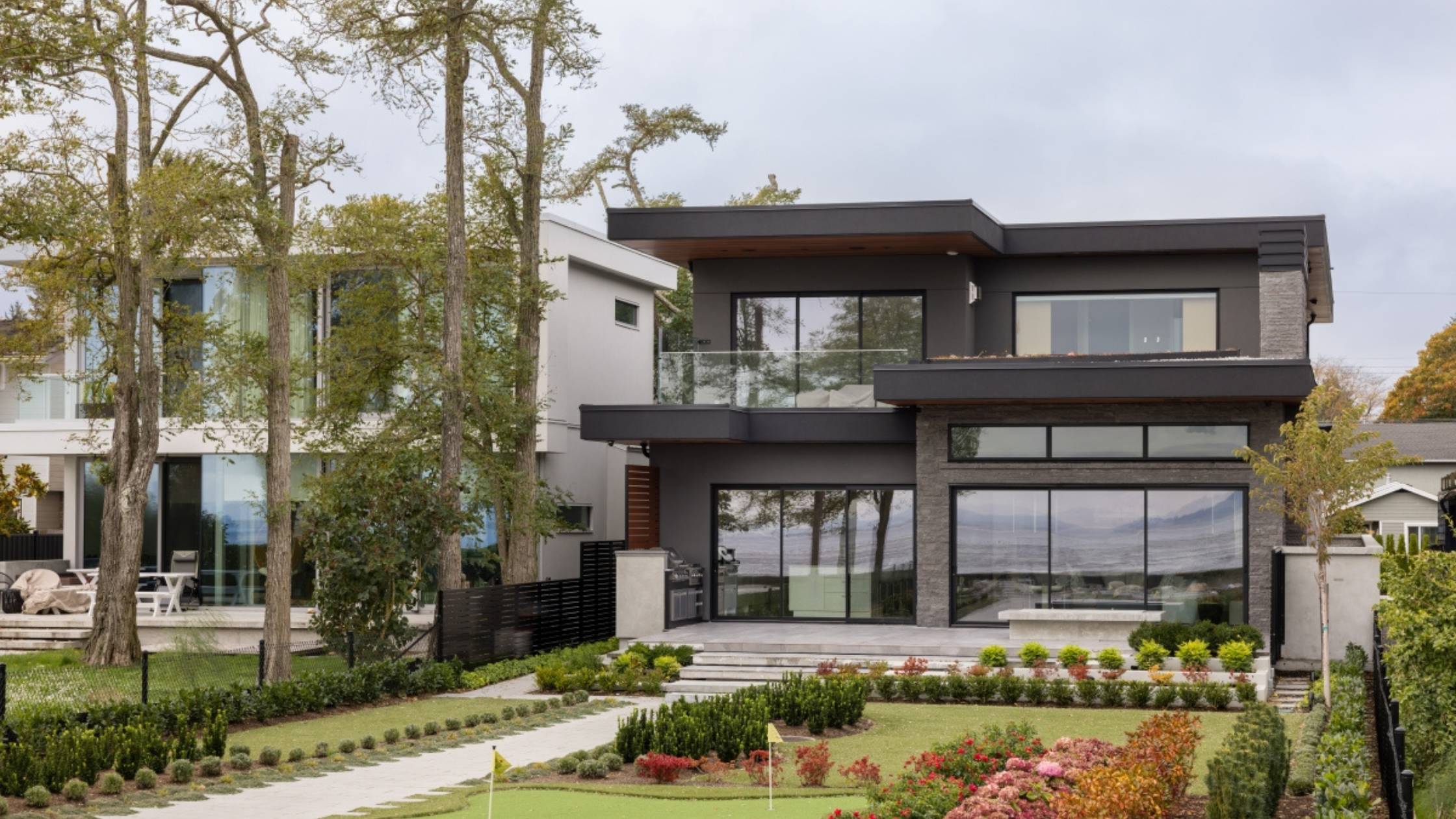
How Architectural Style Shapes the Way Our Home Feels and Functions
Finding the Language for Your Home
When “Style” Isn’t So Simple
Many homeowners arrive at the beginning of a project with a clear feeling—but not always the vocabulary to express it. Understanding the different architectural style for homes starts with how you want your home to feel and function, not by trying to name a style upfront.
“I want something timeless.”
“Not too modern, but not traditional either.”
“Warm, but still refined.”
At its best, architectural design translates instinct into form. It gives structure to emotion, clarity to preference, and longevity to decisions that will shape how we live for decades.
In our work, we rarely begin with labels. Instead, we uncover alignment between the home, the site, and the people who will inhabit it. Only then do recognizable architectural styles begin to emerge.
A Closer Look at Architectural Styles Through Real Homes
Below are several architectural directions frequently explored within our portfolio—each expressed not as a rigid category, but as a thoughtful interpretation.
Transitional Architecture: The Art of Balance
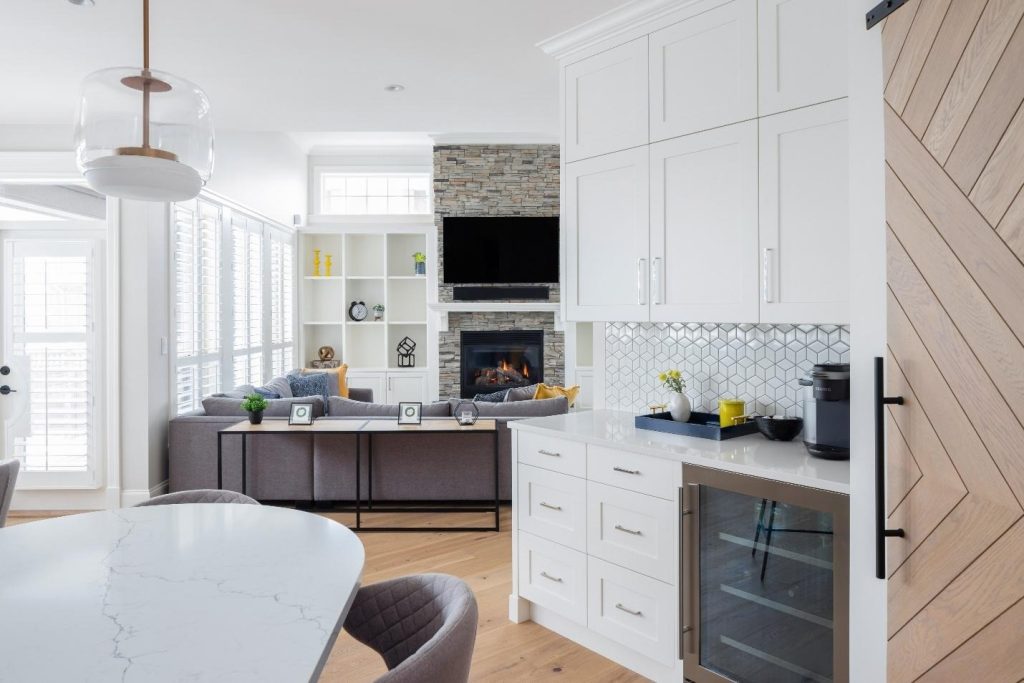
A blend of traditional proportions with modern restraint. Transitional homes balance classic detailing with clean, modern lines to ensure the design remains relevant for years to come.
- Soft, neutral palettes layered with subtle metallic warmth
- Balanced millwork that avoids excess ornamentation
- A focus on continuity between rooms and sightlines
Rather than feeling tied to a specific era, transitional homes feel quietly enduring.
The Full of Grace South Surrey renovation we completed in 2021 is a clear expression of this approach, where traditional detailing meets clean-lined simplicity.
Modern Architecture: Clarity, Light, and Simplicity
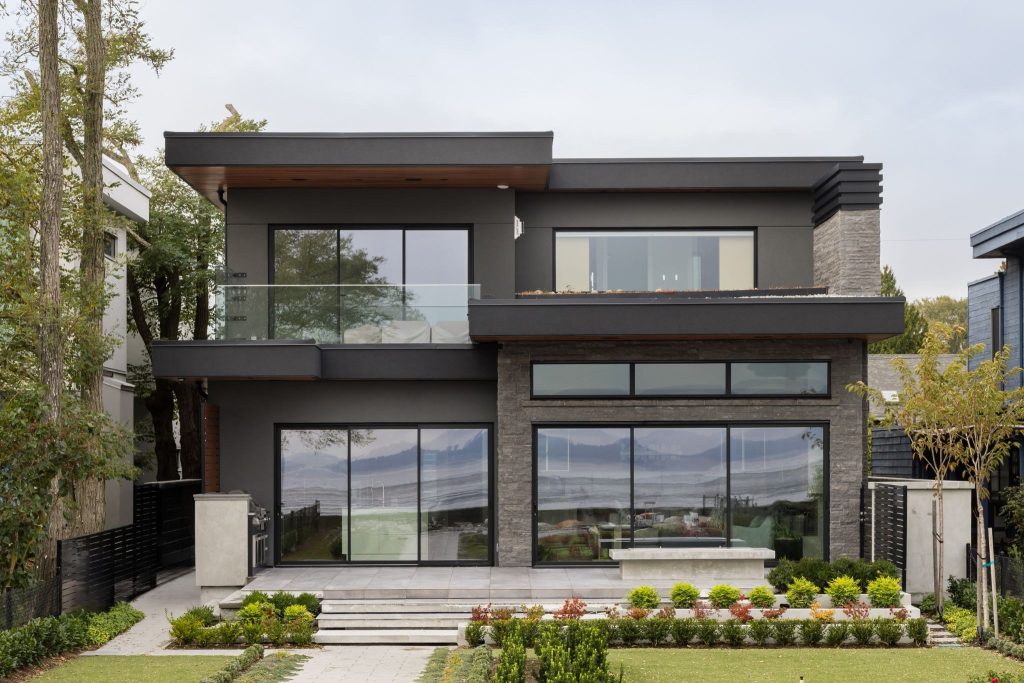
Modern architecture is defined by restraint. It relies on strong geometry, minimal material changes, and a careful use of light to shape the space.
Modern homes within most design portfolios often prioritize:
- Clean rooflines and large expanses of glazing
- Minimal material transitions
- Open-plan layouts with intentional spatial zoning
But true modern design is not about starkness, it’s about discipline. Every line serves a purpose.
Our Heart of Stone modern home with ocean view is classy and unassuming, with clean lines and neutral colours that bring appeal to those seeking a tranquil retirement surrounded by modern architecture.
West Coast Contemporary Homes: Responding to Place
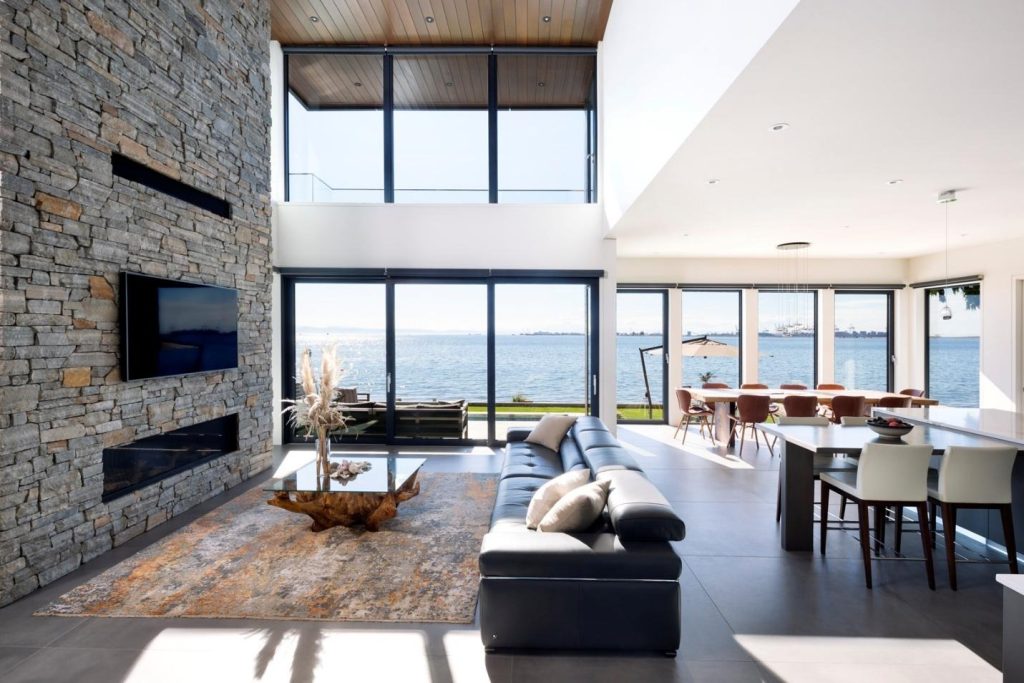
West Coast contemporary homes are a distinct architectural style shaped by where they’re built. The design is informed by the landscape, the climate, and the way the home sits on the site.
Particularly relevant across the Lower Mainland, this style reflects its environment:
- Wood, stone, and organic textures
- Indoor-outdoor continuity
- Rooflines and overhangs designed for climate responsiveness
These homes feel grounded—designed not just on the land, but within.
Our project, Sticks and Stones Tsawwassen beach house, is a masterclass in West Coast Contemporary innovation, where structural elements were largely driven by the challenges of the home’s landscape.
Traditional Architecture: Timeless Structure and Detail
Traditional homes are grounded in proportion, symmetry, and a sense of order that comes from historical reference, but they aren’t about replication.
- Balanced façades and formal entry sequences
- Detailed millwork and layered interior architecture
- Defined rooms that still allow for modern flow
This approach offers a sense of permanence – homes that feel as though they have always belonged.
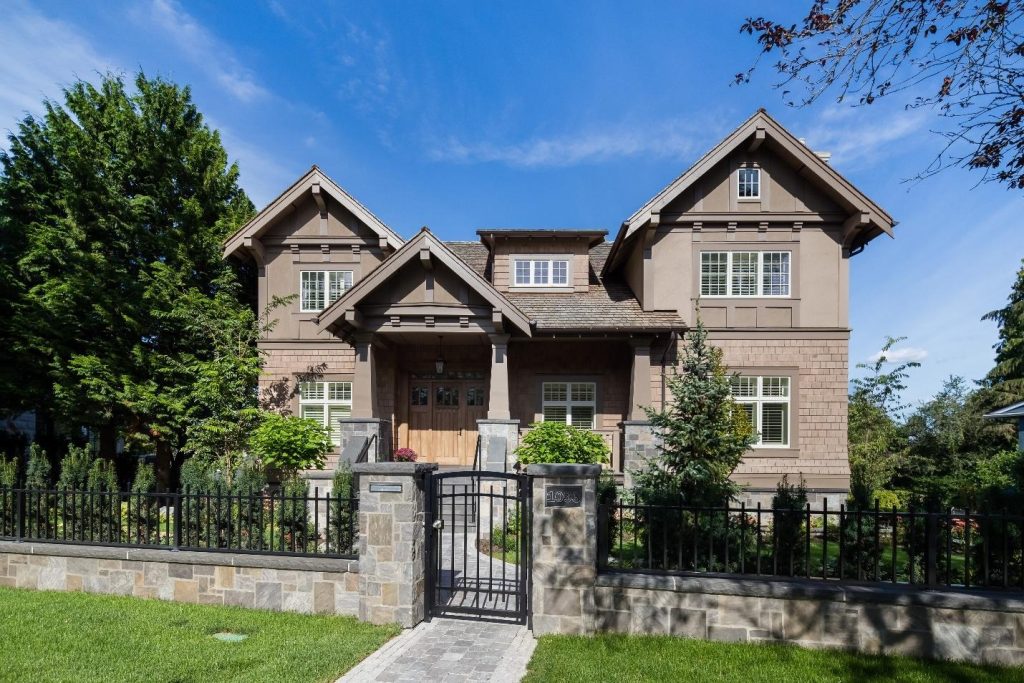
Our Feats of Strength Vancouver Shaughnessy custom home is a timeless legacy house, built to stand the test of time with substantial massing and materials to anchor it to place.
Contemporary Hybrid: Blending Multiple Architectural Styles
Some homes don’t fit neatly into a single category, and that’s often intentional. These projects draw from multiple architectural styles, bringing together different elements in a way that feels cohesive rather than mixed.
A home may combine:
- The warmth of traditional millwork
- The openness of modern planning
- The contextual sensitivity of West Coast design
This is where the most meaningful work often happens – when the design moves beyond predefined styles and begins to reflect a more personalized architectural language.
As reflected in our firm’s philosophy, our portfolio demonstrates a “dynamic design capacity… any style is achievable,” grounded in a holistic approach to full-home design.
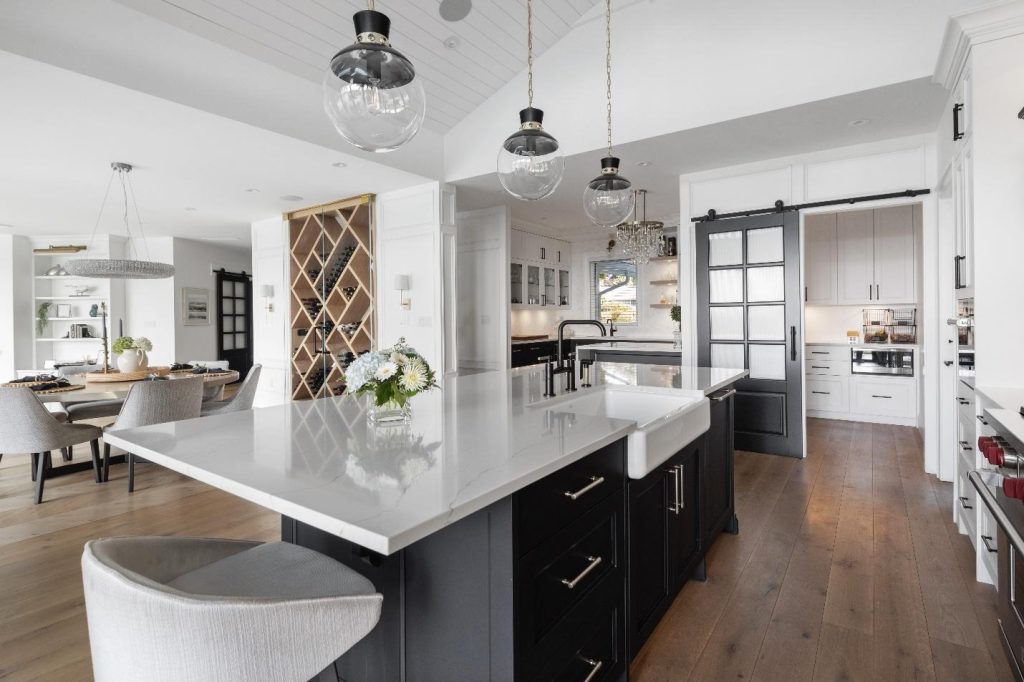
Our Heart of the Matter South Delta home renovation was planned to reimagine connection within; an abundance of natural light and statement materials elevate the home and make an artistic statement.
How to Choose the Right Architectural Style for Your Home
For many clients, the challenge is not preference, it’s articulation. Here is a structured way to begin defining your style with clarity:
Start with Emotional Cues, Not Architectural Labels
Before trying to define a style, think about how we want our home to feel. Whether it’s calm and quiet, more structured, or open and relaxed, those initial impressions tend to be more useful than naming a style too early.
Let’s ask ourselves:
- How do we want our home to feel?
- Calm or expressive?
- Structured or relaxed?
- Light-filled or intimate?
Words like warm, grounded, refined, and quiet are more useful than “modern farmhouse.”
Identify the Home Design Elements We’re Drawn to
As we look through homes or portfolios, notice what consistently stands out. It might be the ceiling height, the material palette, the amount of natural light, or how spaces are laid out.
This is where our design vocabulary starts to take shape. We may not have the exact terms yet, but by recognizing what we’re drawn to, we begin to build a way to describe it.
Understand How We Live
Architecture is not just visual, it’s functional. Good design must support daily life.
“Professional design isn’t just about how a home looks; it’s about how it works.”
Consider:
- How we move through our home
- Where do we spend the most time
- What currently feels inefficient or missing
Look for Patterns Across Preferences
Once we’ve gathered a few references, step back and look at them together. Then we will start to see similarities in layout, materials, or overall proportion.
That’s where our preferences become clearer. Even if we don’t have a name for it yet, the direction starts to take shape.
Work with a Design Team that Understands Our Vision
A thoughtful design process doesn’t require us to arrive with a fully formed brief. It requires alignment with our vision.
The role of a design team is to:
- Interpret our instincts
- Refine our preferences
- Translate them into a cohesive architectural direction
This is where experience matters – particularly in creating homes that feel both personal and enduring. Check out our guide on how to communicate your vision to your designer.
Why Architectural Style Matters in Home Design
Defining our architectural style is less about choosing a category – and more about understanding ourselves.
The strongest homes aren’t built around a single label. They’re shaped by the site, the light, the materials, and how the home is lived in.
When those pieces are considered together, the result feels cohesive and settled, not driven by trends, but suited to the people who live there.
If you’re starting to think about your own project and are still working through your style, again, you don’t need to have it fully defined. We can take a look at what you’ve gathered and help shape it into a clear direction.
Feel free to book a consultation with our team, we’d be happy to help.
Frequently Asked Questions about Architecture Styles
What is the most timeless architectural style?
Transitional design is often considered the most timeless because it balances classic and modern elements without leaning too heavily in either direction.
Can I mix architectural styles in one home?
Yes – when done intentionally. The key is consistency in proportion, material palette, and detailing.
How do I know which style suits my home’s location?
Regional context matters. For example, West Coast homes often benefit from materials and forms that respond to climate and landscape.
Do I need to define my style before hiring a designer?
No. A strong design process helps uncover and refine your preferences – it’s not a prerequisite.